First still life referenced in the writings from Hellenistic Greece but no examples have survived.
Earliest examples found in the ruins of Pompeii.
Middle Ages western art was heavily influenced by the Christian church and as such paintings were mainly of a religious nature.
Still life as we know it first appeared as decoration in the foreground of figurative paintings. Example of this is Pieter Aertsen's Vegetable Seller 1567
Still life as painting genre attributed to the Dutch artists, with influence from Italy, Jacopo de'Barbari's Still Life with Partridge, Iron Gloves and Bolt of a Crossbow 1504
Dutch scenes of the 17th Century of a laid table, feast like set-ups of game, fish, fruit and vegetables and ornate drinking vessels. Van Dijks Still Life with Cheese 1613. These paintings seem to be making a statement about the status and wealth of the person commissioning the art work
In the impressionist painters of the 19th century focused mainly on landscape but on occasion painted still lifes, Still life with melon, 1882.
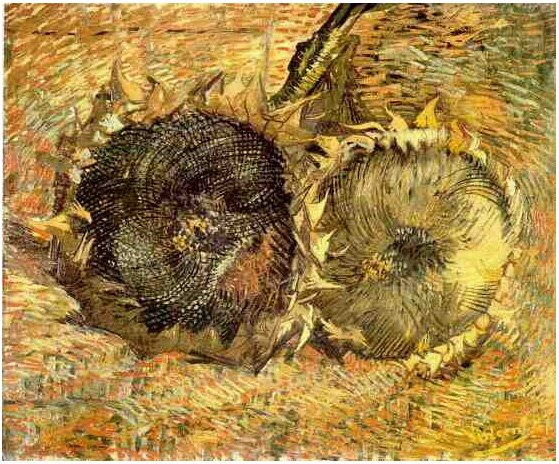
Two painters working around the same period of the impressionist movement that are well known for their still life paintings are Vincent Van Gogh and Paul Cezanne. Vincent did many studies of Sunflowers subject matter that he focused on during his struggle with his art work. In the same, but perhaps, more academic way Cezanne used still life, often including apples ,to improve his art simplifying form and developing painting techniques to emphasis surface planes, work consider to have influence on the Cubism.
My studies of two of Cezanne's watercolours
Still life with Apples, Bottle and Chair Back:

The Three Skulls:




No comments:
Post a Comment